I joined Facebook in 2007, and it was a wondrous place, enabling me to connect with my family and friends who don’t live nearby. This brought us together, because we could see what was going on in each other’s lives. Without that connection, we would have lost touch, just as extended families of the past did.
When the next decade rolled in, I wanted to publish the stories I’d been writing all my life.
On Twitter, a fellow writer invited me to join a Facebook group for authors. For the next few years, a group of us became friends as we learnt from each other and shared our experiences. We connected personally and my friends’ list steadily grew.
Soon after, Facebook gave us business pages, and eventually these had their own newsfeed. This meant I could split my author’s life from my personal one.
Book groups sprung up everywhere, as did ones for my various hobbies.
I even set up some of my own. They all appeared in my personal newsfeed.
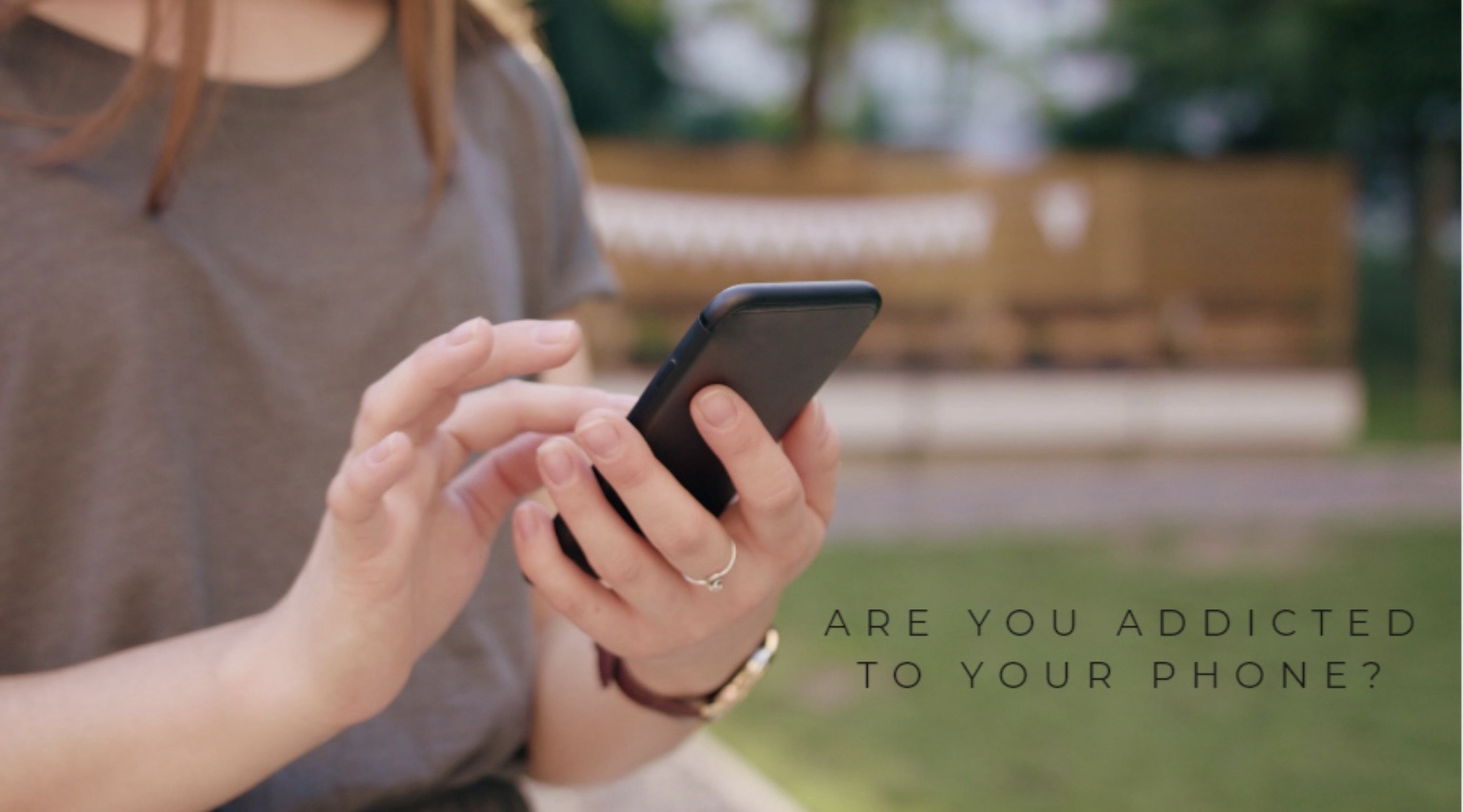
What that meant was endless hours of scrolling through to catch up with everyone and everything. Every day I became more and more involved in the groups I enjoyed, sharing my hobbies and my writing. Soon, I became sucked in without realising. The need to constantly to check what everyone was doing became a habit. When I had a quiet moment to myself, I would fill it with whatever Facebook offered me.
Every year, I came off social media for a few days or even a week. Usually whilst on holiday or at Christmas time. This made me live in the moment and enjoy what the real world offered. I could sit and relax and clear my mind of other people’s lives, or ideas of things I didn’t know I wanted to do.
As Christmas 2024 approached, I needed that break again. My online life had grown so big that I spent half my waking hours staring at a screen. In January, when it was time to go back, I didn’t want to.
Now I have time back, I could see how busy I’d become. No wonder there was little time for writing. I’m almost sixty-seven and after working a job from the aga of sixteen, I don’t want to be staring at a screen all day.
I still want to sell my books, so I need an online presence. It is all about finding the right balance, which I’m still doing. I don’t want to spend the rest of my life doom-scrolling, as my fellow author Chantelle Atkins, called it. There is more to life than spending most of it online.
My niece had a baby recently, and those are the things I wanted to see in my Facebook profile. Updates from my family and real-life friends. So, I chopped my friends list, and do you know what Facebook did? It filled my newsfeed with groups I might like to join and lots of adverts. I was flabbergasted and disappointed. I wanted to return to how Facebook used to be, before it filled with advertising.
I rarely go on now, certainly not to doom-scroll. If I have a specific purpose, then I will go on for that, which is mostly my author page.
Life is better without it. I can breathe and I even have time to day dream, which I recently wrote about.
So, if you see my books, please support me by reading, sharing, and enjoying.


 World of Stories
Like you, I was one of the early people on Facebook. It was nice. We could communicate with friends. I could see what you’d been doing, and vice versa. My wife somehow manages to make it work. I have 600 friends and get posts from groups that I have never heard of. You summed it up very nicely.
LikeLiked by 1 person
Thank you, I’m glad you could understand what I was trying to say. It’s surprising when you realise. I miss those early days when the great adventure was the unknown.
Thanks for stopping by.
LikeLike